Stanford Swift Solar Plane
A solar aircraft designed for autonomous, multi-day flight
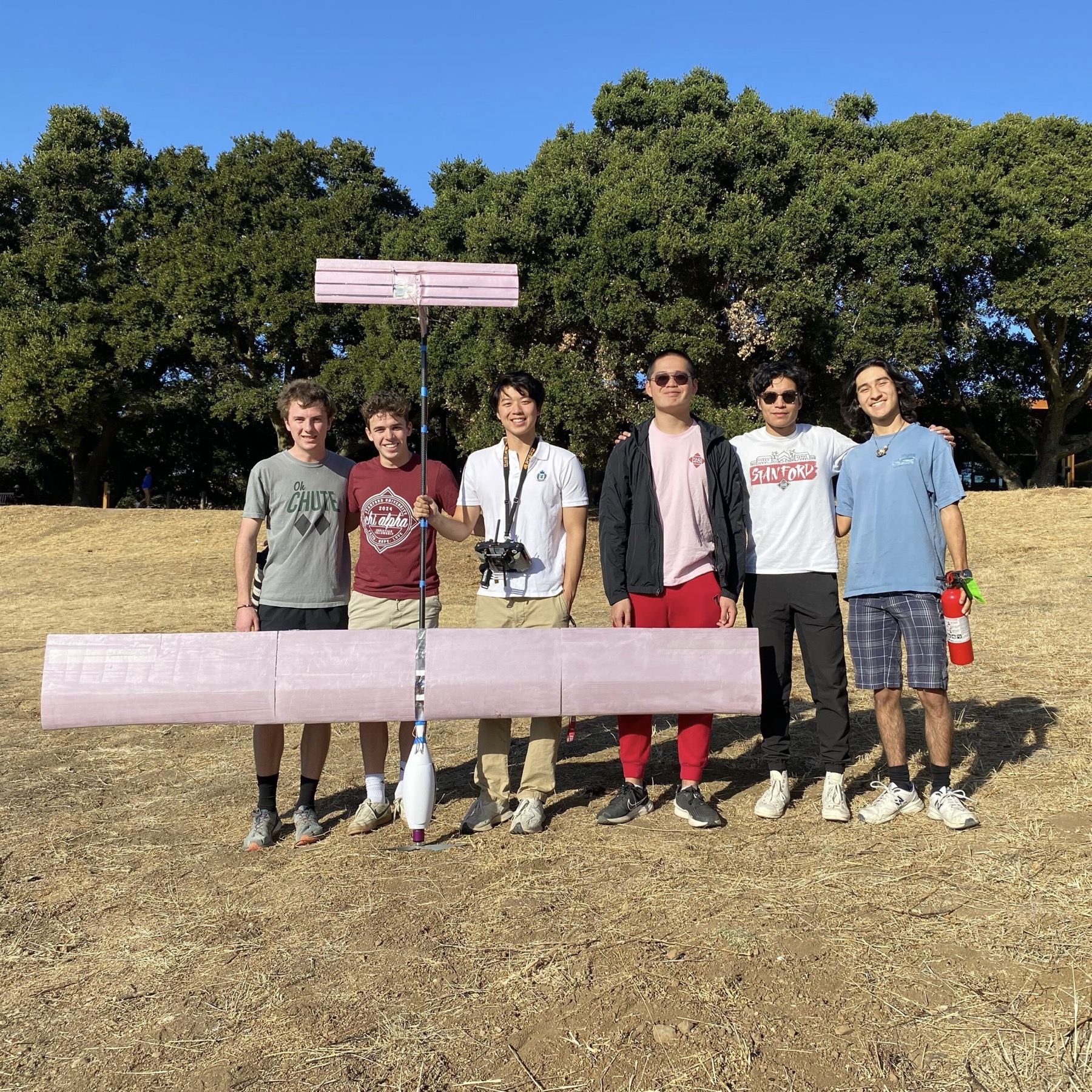
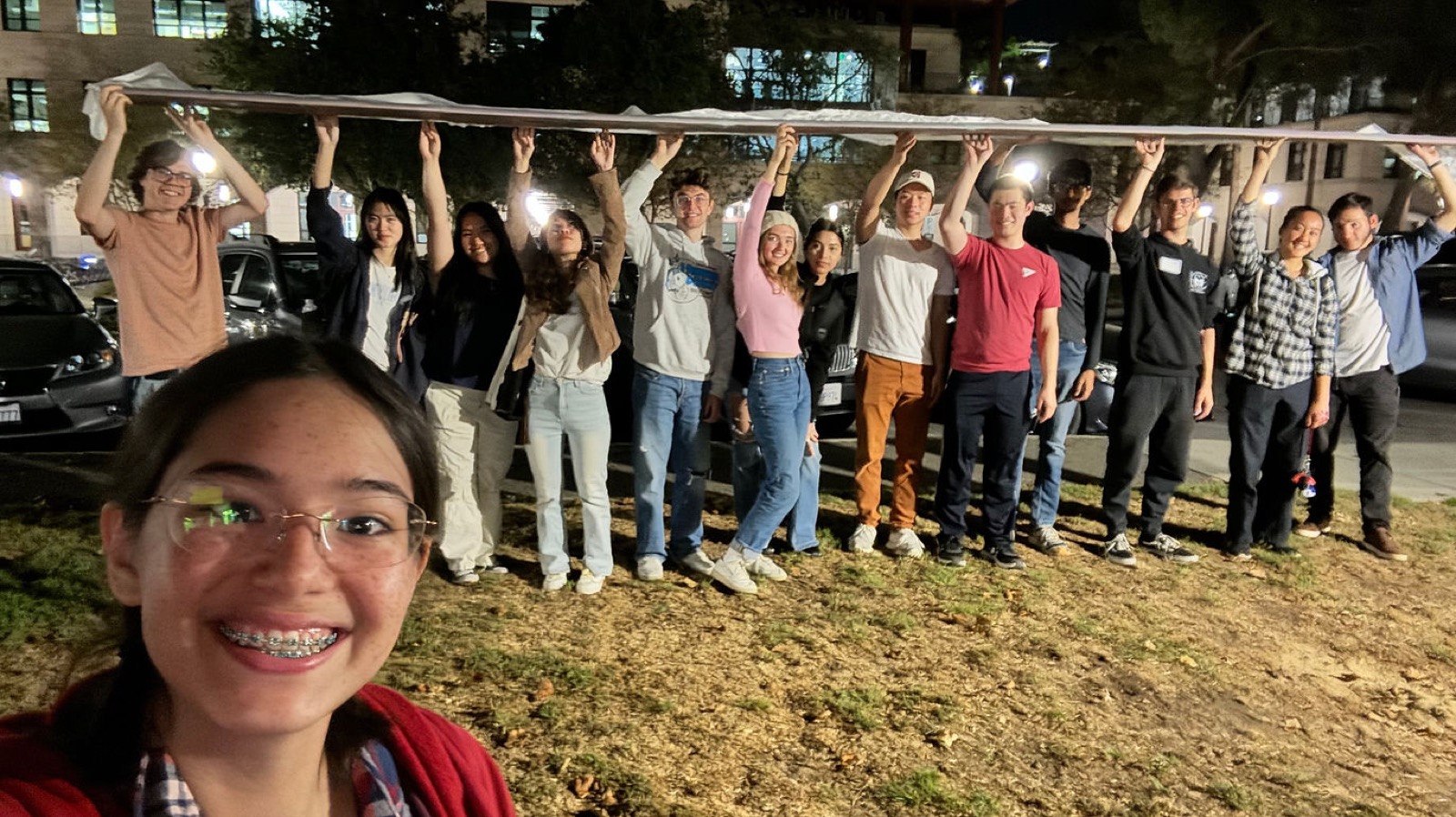
I recently joined Stanford's Swift Solar Plane Project. The team is building a solar-powered aircraft with a wingspan of more than five meters, designed to fly continuously and autonomously in the Mojave Desert. The long-term goal is to set the world record for the longest continuous electric flight. I am new to the team, so this entry will get more specific as my own build work develops.
Build an aircraft that can gather enough solar energy to fly autonomously through day-and-night cycles for days, and ultimately weeks, without landing.
- Every structural and avionics decision affects the aircraft's energy budget
- The final aircraft must operate autonomously for long periods in the Mojave Desert
- The team has to scale from rapid prototypes to an aircraft more than five meters in wingspan
- Iterate through reusable prototypes before committing to the final aircraft
- Use carbon-fiber layup and resin-infusion techniques to keep the structure light
- Integrate solar encapsulation and avionics around a low-energy flight profile
- 01
Rapid prototype cycles to improve the airframe and reduce energy use
- 02
Scale the wingspan and integrate solar panels with the avionics system
- 03
Validate sustained autonomous flight before the final multi-day Mojave campaign
The team has demonstrated a 45-minute sustained flight without solar panels. Solar integration, scaling, and longer-duration autonomous flights are the next steps.
Tools & Methods
Specs
- Wingspan
- More than 5 m
- Target
- Continuous flight for weeks
- Flight mode
- Solar-powered and autonomous